Style Guide · February 28, 2026 · 5 min
The Rise of the Trucker Hat: From Farm to Fashion Statement
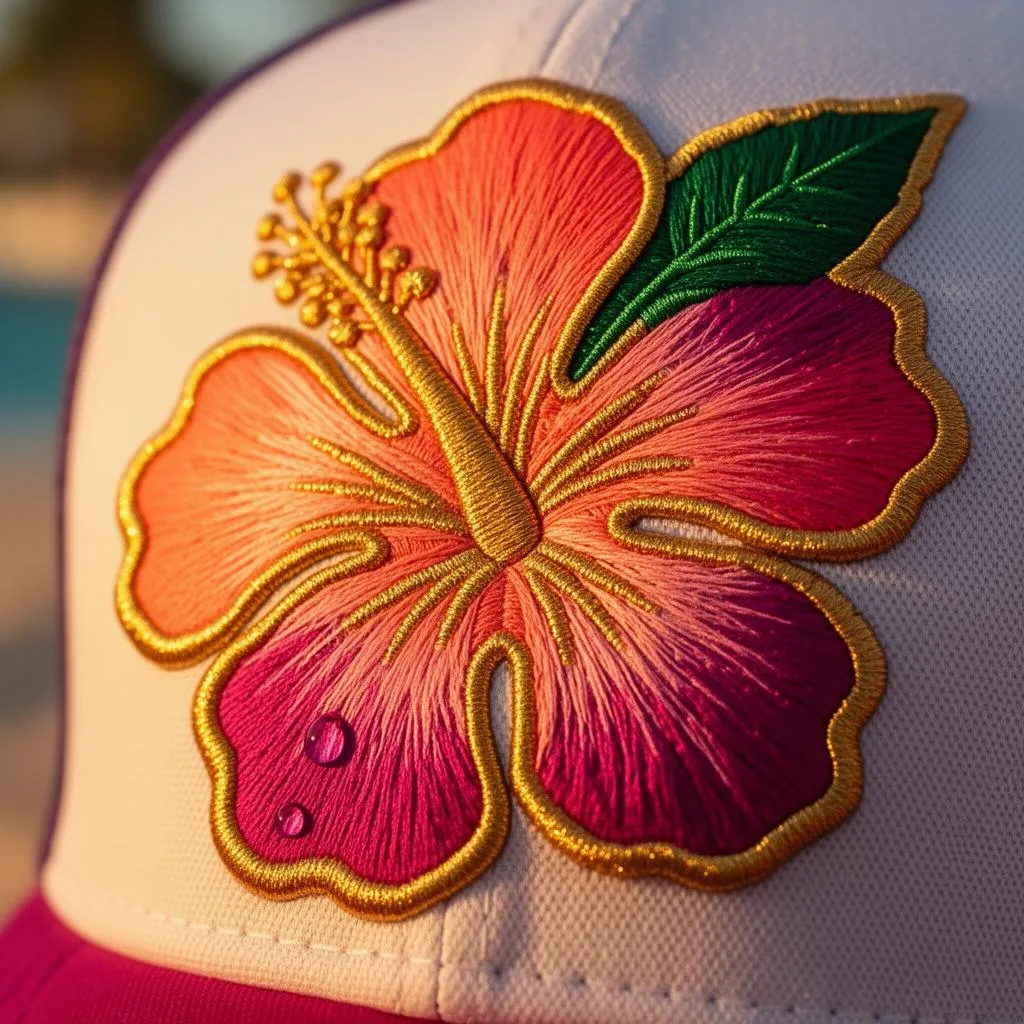
The trucker hat was never supposed to be fashion. That’s exactly why it became fashion. Here’s the real story of how a free promotional cap from a feed store ended up on runways, celebrities, and the patch wall at your last great party.
Born in the Feed Store, Not the Boutique
In the early 1970s, American farm supply companies needed cheap promotional giveaways. Seed brands, feed stores, tractor dealers, and trucking companies started handing out a new style of cap: a tall foam front panel, plastic mesh in the back, and an adjustable snapback closure. Companies like John Deere and DEKALB slapped their logos on the front and gave them away by the crateload.
People called them “gimme caps,” because that’s literally how you got one. You didn’t buy a trucker hat in 1974. Somebody gave you one at the co-op.
The design was pure function. The foam front held its shape and gave logos a big flat billboard. The mesh back was cheap to produce and let air through, which mattered if you spent August on a tractor or in a truck cab with no AC. The high crown sat off the head, cooler than a fitted wool cap in every sense a farmer cared about.
Truckers, farmers, and anyone working outdoors adopted them, and the name stuck: the trucker hat.
Function Becomes Identity
Something interesting happened almost immediately. Because every hat carried a logo, the hat became a statement of allegiance. Your cap said what you drove, what you planted, where you fueled up. Decades before anyone said “personal brand,” a guy in a Mountain Dew mesh cap was doing exactly that.
That’s the DNA that never left the trucker hat: it has always been a canvas first and a hat second.
The 2000s: Von Dutch and the Celebrity Wave
Fast-forward to the early 2000s. The Von Dutch brand, built on the name and artwork of legendary hot-rod pinstriper Kenny Howard, turned the humble trucker cap into a status item. Suddenly a hat descended from free feed-store swag was selling for boutique prices on Melrose Avenue.
Then celebrities got hold of it. Ashton Kutcher wore trucker hats so relentlessly on “Punk’d” that the two became synonymous. Justin Timberlake, Paris Hilton, Britney Spears, and half of MTV followed. The trucker hat became the defining headwear of the era: ironic, loud, and everywhere.
And like everything that burns that hot, it burned out. By the late 2000s the trucker hat was declared over, filed away with frosted tips and studded belts.
Except it never actually left. It just went back to work. Farmers, anglers, and tradespeople kept wearing them for the same reasons they always had. The hat didn’t need fashion’s permission.
The 2020s: The Custom Patch Renaissance
Which brings us to now, and the most interesting chapter yet.
The trucker hat came roaring back in the 2020s, but flipped. The first wave was about wearing someone else’s logo. The Von Dutch wave was about wearing an expensive brand. The current wave is about wearing yourself.
Leather and chenille patches on quality mesh caps took over country music, western wear, golf, and weekend style. And the hat bar was born: a live station where you choose the blank, choose the patches, and watch your hat get pressed in front of you. The gimme cap became a made-it-myself artifact.
It makes perfect sense when you look at the hat’s whole history. The trucker hat has always been about declaring something on a foam-and-mesh billboard. The only thing that changed is who controls the message. Fifty years ago the feed store decided what your hat said. Now you do.
That’s why we say we don’t sell hats. We curate identities. The trucker hat was doing that in 1972; it just took the world fifty years to catch up.
Why It Endures
Trends come back all the time. Few come back three times, stronger each round. The trucker hat keeps returning because the design solves problems that never go away:
- The flat front panel is the best logo and patch real estate in headwear.
- The mesh back works in heat, which is to say, it works in Florida.
- The snapback fits everybody, which matters when you’re outfitting a whole wedding party or a trade show floor.
- The silhouette carries just enough attitude. A baseball cap blends in. A trucker hat announces.
It’s the rare object that’s simultaneously workwear, streetwear, and a souvenir.
From the Feed Store to Your Event
Every hat we press at a Brimstreet event is part of this fifty-year story: born as a giveaway, elevated by culture, reclaimed as a canvas. Brands use that canvas at activations the way seed companies did in 1973, except now guests build the hat themselves, which means they actually wear it. Wedding parties, sports teams, and birthday crews use it to turn a group into a squad.
The trucker hat spent five decades earning its place. Put it to work at your event. Book a hat bar and give your guests a piece of American style history they made with their own hands.